-
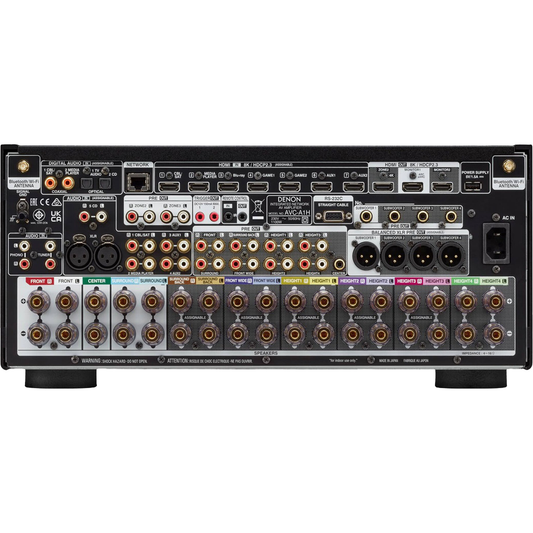
Denon AVC-A1H 15.4-Channel AV Receiver, Black
Regular price CHF 6'990.00Regular priceUnit price per -
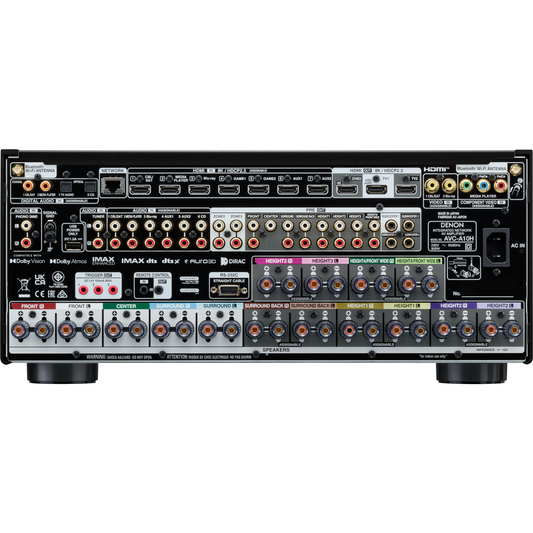
Denon AVC-A10H 13.4-Channel AV Receiver, Black
Regular price CHF 4'500.00Regular priceUnit price per -
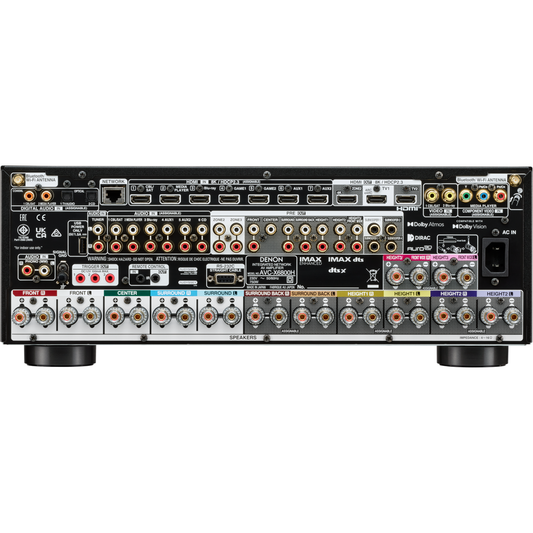
Denon AVC-X6800H 11.4-Channel AV Receiver, Black
Regular price CHF 3'590.00Regular priceUnit price per -
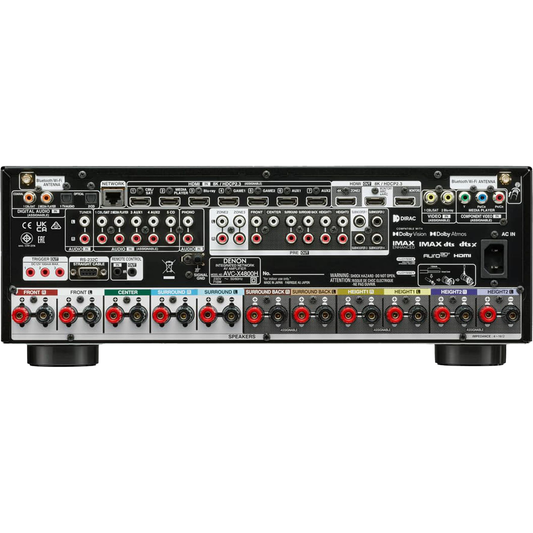
Denon AVC-X4800H 9.4-Channel AV Receiver, Black
Regular price CHF 2'590.00Regular priceUnit price per -
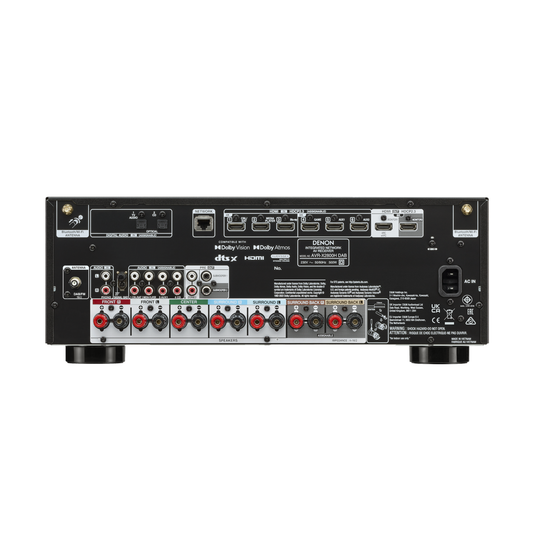
Denon AVR-X2800H DAB 7.2-Channel AV Receiver
Regular price CHF 990.00Regular priceUnit price per -
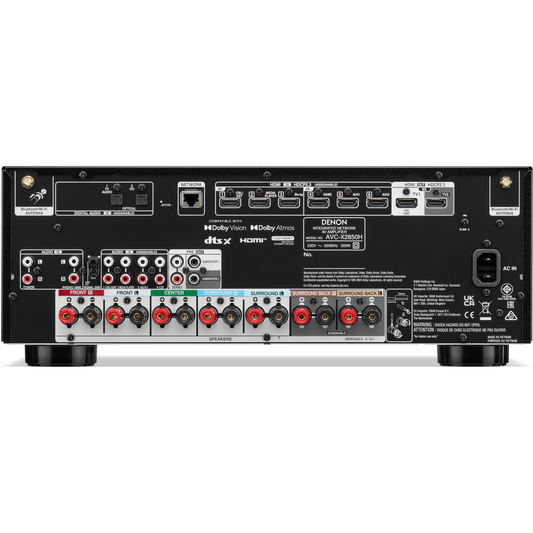
Denon AVC-X2850H 7.2-Channel AV Receiver, Black
Regular price CHF 799.00Regular priceUnit price per -
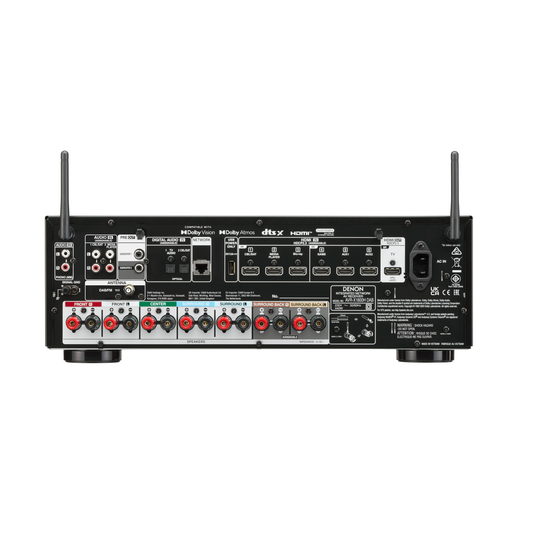
Denon AVR-X1800HDAB 7.2-Channel AV Receiver
Regular price CHF 790.00Regular priceUnit price per -
Anthem MRX 1140 8K – 11.2-Channel AV Receiver
Regular price CHF 5'699.00Regular priceUnit price per -
Anthem MRX 740 8K – 7-Channel AV Receiver
Regular price CHF 4'199.00Regular priceUnit price per -
Anthem MRX 540 8K – 5-Channel AV Receiver
Regular price CHF 2'699.00Regular priceUnit price per -
Anthem MRX-SLM – Ultra-Compact 5.1 AV Receiver
Regular price CHF 1'790.00Regular priceUnit price per -
Denon AVC-X3900H 9.4-Channel AV Receiver, Black
Regular price CHF 1'399.00Regular priceUnit price per -
Denon AVR-X2900H DAB 7.2-Channel AV Receiver, Black
Regular price CHF 949.00Regular priceUnit price per -
NAD T 778 9.2 AV Receiver with Dolby Atmos
Regular price CHF 3'790.00Regular priceUnit price per -
NAD T 758 V3i 7.1 AV Receiver (Dirac, BluOS)
Regular price CHF 1'790.00Regular priceUnit price per -
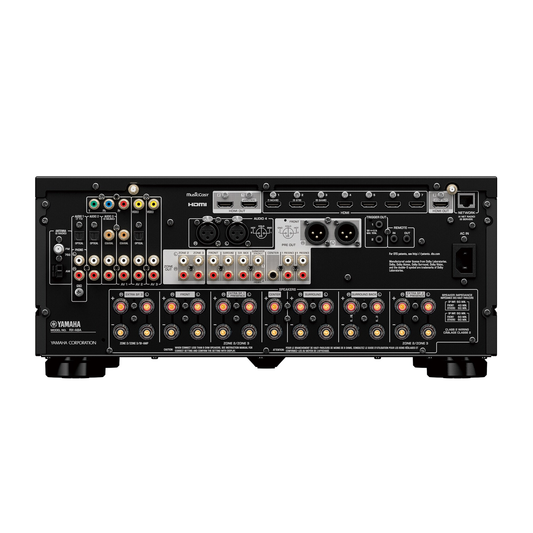
Yamaha RX-A8A AV Receiver, Black
Regular price CHF 4'099.00Regular priceUnit price per -
Yamaha RX-A6A AV Receiver, Black
Regular price CHF 3'049.00Regular priceUnit price per -
Yamaha RX-A4A AV Receiver, Black
Regular price CHF 1'899.00Regular priceUnit price per -
Yamaha RX-A2A AV Receiver, Black
Regular price CHF 1'149.00Regular priceUnit price per -
Yamaha YHT-4960 5.1 Home Cinema Set, Black (Set)
Regular price CHF 899.00Regular priceUnit price perPrice per Set
-
Yamaha TSR-700 AV Receiver, Black
Regular price CHF 849.00Regular priceUnit price per -
Yamaha RX-V6A AV Receiver, Black
Regular price CHF 799.00Regular priceUnit price per -
Yamaha RX-500A AV-Receiver, Schwarz
Regular price CHF 699.00Regular priceUnit price per -
Yamaha TSR-400 AV Receiver, Black
Regular price CHF 629.00Regular priceUnit price per -
Yamaha RX-V4A AV Receiver, Black
Regular price CHF 599.00Regular priceUnit price per -
Yamaha RX-300A AV-Receiver, Schwarz
Regular price CHF 399.00Regular priceUnit price per